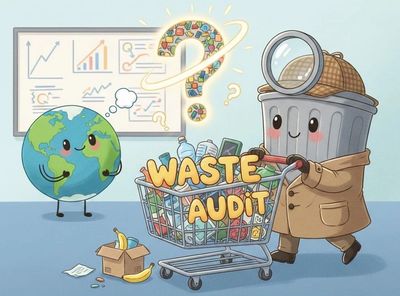
What Is a Waste Audit?
A waste audit is a structured assessment of the waste your site produces.
It identifies
- What types of waste are being generated
- How much of each material is produced
- How waste is currently handled
- What can be reduced, reused, or recycled
The goal is simple
👉 reduce waste sent to landfill and recover as much value as possible from recyclable materials.
Why Waste Audits Matter
1. Legal & Regulatory Compliance
UK businesses have a Duty of Care to manage waste correctly.
A waste audit helps ensure
- Waste is classified correctly
- Licensed carriers are used
- Transfer records are accurate
This reduces the risk of fines, enforcement action, or reputational damage.
2. Cost Reduction
Waste costs money often more than necessary.
A proper audit frequently reveals
- Recyclable metals being disposed of as general waste
- Overfilled or poorly used skips
- Collections happening more often than required
Recovering metals such as steel, aluminium, copper, or brass can offset waste costs or even generate revenue.
3. Environmental Responsibility
Reducing landfill waste lowers
- Carbon emissions
- Energy use
- Demand for raw material extraction
Recycling metals uses significantly less energy than producing new materials from ore, making audits a key part of sustainable operations.
The Waste Audit Process (Step by Step)

Organic Waste Recycling
Step 1: Site Review & Waste Mapping
The first stage is understanding where waste is produced:
- Workshops
- Storage areas
- Construction zones
- Plant rooms
- External yards
This highlights problem areas and inefficient disposal points.
Step 2: Waste Categorisation
Waste is grouped into clear categories, such as
- Ferrous metals (steel, iron)
- Non-ferrous metals (copper, aluminium, brass)
- WEEE (electrical items)
- Mixed waste
- Hazardous or controlled items
Correct categorisation is essential for compliance and recycling efficiency.
Step 3: Volume & Frequency Analysis
This stage measures
- Quantities produced over time
- Collection frequency
- Seasonal spikes
- Contamination levels
Often, sites discover they’re paying to dispose of recyclable metal unnecessarily.
Step 4: Recycling & Recovery Opportunities
Here’s where real value is found.
A professional audit identifies
- Metals suitable for recycling
- Opportunities for on-site segregation
- Safer storage methods
- Improved collection scheduling
Even small changes can make a significant difference over time.
Step 5: Recommendations & Action Plan
The final outcome is a clear, practical plan covering
- Waste reduction steps
- Improved recycling streams
- Compliance improvements
- Cost-saving opportunities
No generic advice only actions relevant to your site.

Common Issues Found During Waste Audits
Common Issues Found During Waste Audits
Common Issues Found During Waste Audits
- Scrap metal mixed with general waste
- Poorly labelled containers
- Unlicensed waste movements
- Hazardous items disposed of incorrectly
- Missed opportunities to recover value
These issues are common and fixable.
Who Benefits from a Waste Audit?
Common Issues Found During Waste Audits
Common Issues Found During Waste Audits
Waste audits are particularly valuable for:
- Builders & contractors
- Workshops & fabricators
- Landlords & property managers
- Retail units
- Small industrial sites
Any operation producing regular waste can benefit.
Scrap Metal’s Role in Waste Audits
Common Issues Found During Waste Audits
Scrap Metal’s Role in Waste Audits
Metal is one of the most recyclable and valuable waste streams.
A well-managed scrap process:
- Improves compliance
- Reduces disposal costs
- Supports sustainability goals
- Creates a cleaner, safer site Handled correctly,
scrap metal becomes a resource, not a problem.